
High Blood Pressure Brochure
High Blood Pressure Brochure - High blood pressure is diagnosed when you have consistent systolic readings of 140 mm hg or higher or diastolic readings of 90 mm hg or higher. This is when your top number is 180 or higher and your bottom number is 110 or higher. Making lifestyle changes now can help keep your blood pressure in a healthy range— whether you have high blood pressure or you’re. Research shows that lower blood. High blood pressure is a condition that puts you at risk for heart attack, stroke, heart failure and kidney disease. Blood pressure is the force of blood pushing against the walls of the arteries that carry blood from your heart to other parts of your body. For most patients with hbp, your provider will recommend treating you to a bp less than 130/90 mm hg. Under new guidelines, high blood pressure is now defined as 130 mmhg/80 mmhg or greater. High blood pressure usually has no signs or symptoms. High blood pressure (hypertension) can harm heart and brain health and usually has no symptoms. High blood pressure is a systolic pressure of 130 or higher, or a diastolic pressure of 80 or higher, that stays high over time. This brochure provides you with a thorough overview of what blood pressure is and how to lower it to avoid developing hypertension, or to control it if you do have hypertension. Research shows that lower blood. It damages blood vessels and leads to serious health problems. High blood pressure is a condition that puts you at risk for heart attack, stroke, heart failure and kidney disease. What is high blood pressure? Sign up for htn updatestalk to an mslaldosterone and htn Normal blood pressure is less than 120 mmhg/80 mmhg. High blood pressure, or hypertension, means the heart must work harder to pump blood. Blood pressure is the force of blood pushing against the walls of the arteries that carry blood from your heart to other parts of your body. High blood pressure is a condition that puts you at risk for heart attack, stroke, heart failure and kidney disease. • facts about high blood pressure • treatment and. High blood pressure (hbp) is when the bp is elevated. Normal blood pressure is less than 120 mmhg/80 mmhg. Blood pressure measures the force it takes the heart to pump blood. High blood pressure (hbp) is when the bp is elevated. Hypertension is known as the silent killer. High blood pressure usually has no signs or symptoms. Making lifestyle changes now can help keep your blood pressure in a healthy range— whether you have high blood pressure or you’re. Research shows that lower blood. Research shows that lower blood. Read on to learn how you can take charge of your health and at least control, or better yet avoid the “silent killer”. Hypertension is known as the silent killer. Taking the first step toward a healthy blood pressure. For most patients with hbp, your provider will recommend treating you to a bp less than. Untreated high blood pressure increases the strain on the heart and High blood pressure (hypertension) for people who want to learn more about how to control high blood pressure this brochure includes: High blood pressure, or hypertension, means the heart must work harder to pump blood. High blood pressure (hypertension) can harm heart and brain health and usually has no. High blood pressure (hypertension) for people who want to learn more about how to control high blood pressure this brochure includes: • facts about high blood pressure • treatment and. Hypertension is known as the silent killer. Read on to learn how you can take charge of your health and at least control, or better yet avoid the “silent killer”.. To determine your bp goal,. What is high blood pressure? Blood pressure is the force of blood pushing against the walls of the arteries that carry blood from your heart to other parts of your body. High blood pressure is diagnosed when you have consistent systolic readings of 140 mm hg or higher or diastolic readings of 90 mm hg. High blood pressure usually has no signs or symptoms. Blood pressure measures the force it takes the heart to pump blood through the body. Read on to learn how you can take charge of your health and at least control, or better yet avoid the “silent killer”. Under new guidelines, high blood pressure is now defined as 130 mmhg/80 mmhg. Get medical help right away if this happens. High blood pressure (hypertension) for people who want to learn more about how to control high blood pressure this brochure includes: Normal blood pressure is less than 120 mmhg/80 mmhg. Blood pressure is the force of blood pushing against the walls of the arteries that carry blood from your heart to other. High blood pressure (hypertension) for people who want to learn more about how to control high blood pressure this brochure includes: High blood pressure is diagnosed when you have consistent systolic readings of 140 mm hg or higher or diastolic readings of 90 mm hg or higher. Blood pressure measures the force it takes the heart to pump blood through. High blood pressure (hypertension) for people who want to learn more about how to control high blood pressure this brochure includes: Research shows that lower blood. Sign up for htn updatestalk to an mslaldosterone and htn It damages blood vessels and leads to serious health problems. For most patients with hbp, your provider will recommend treating you to a bp. Under new guidelines, high blood pressure is now defined as 130 mmhg/80 mmhg or greater. High blood pressure is a condition that puts you at risk for heart attack, stroke, heart failure and kidney disease. This brochure provides you with a thorough overview of what blood pressure is and how to lower it to avoid developing hypertension, or to control it if you do have hypertension. • facts about high blood pressure • treatment and. High blood pressure, or hypertension, means the heart must work harder to pump blood. What is high blood pressure? Normal blood pressure is less than 120 mmhg/80 mmhg. Blood pressure is the force of blood pushing against the walls of the arteries that carry blood from your heart to other parts of your body. Blood pressure measures the force it takes the heart to pump blood through the body. High blood pressure usually has no signs or symptoms. High blood pressure (hypertension) for people who want to learn more about how to control high blood pressure this brochure includes: High blood pressure is diagnosed when you have consistent systolic readings of 140 mm hg or higher or diastolic readings of 90 mm hg or higher. High blood pressure (hbp) is when the bp is elevated. Read on to learn how you can take charge of your health and at least control, or better yet avoid the “silent killer”. Hypertension is known as the silent killer. This is when your top number is 180 or higher and your bottom number is 110 or higher.
Blood pressure brochure template Graphics Creative Market
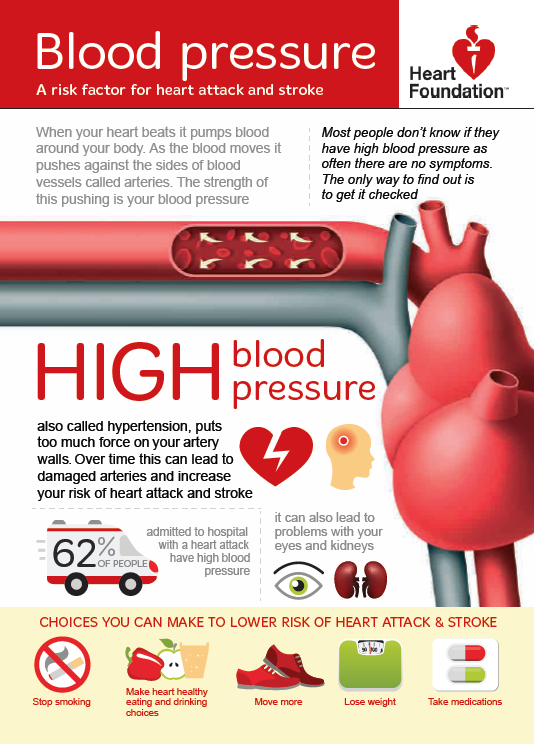
20210119 08_18_51bloodpressureposter.pdf Adobe Acrobat Reader DC

May is High Blood Pressure Education Month NHLBI, NIH
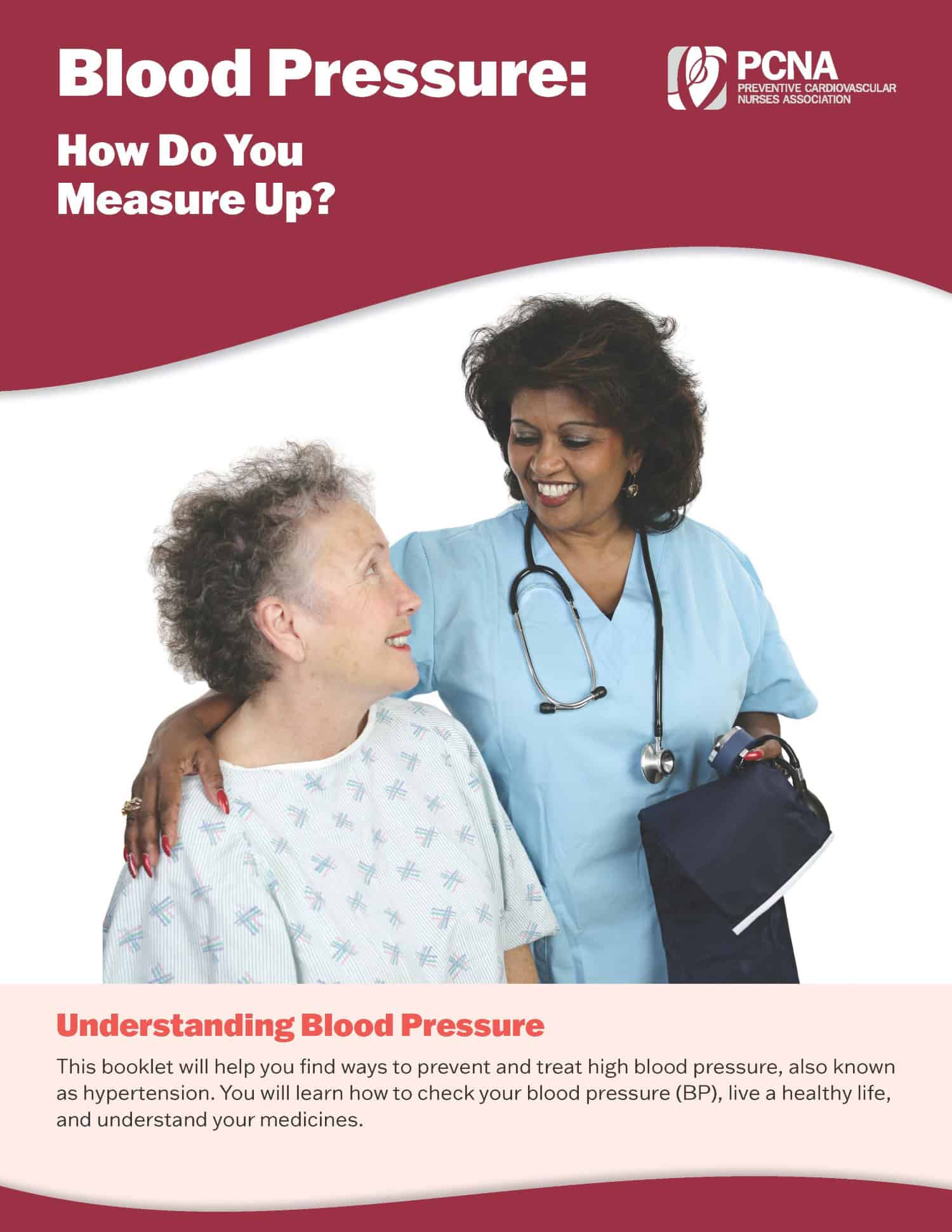
Hypertension Patient Education PCNA

Blood pressure brochure template layout heart Vector Image
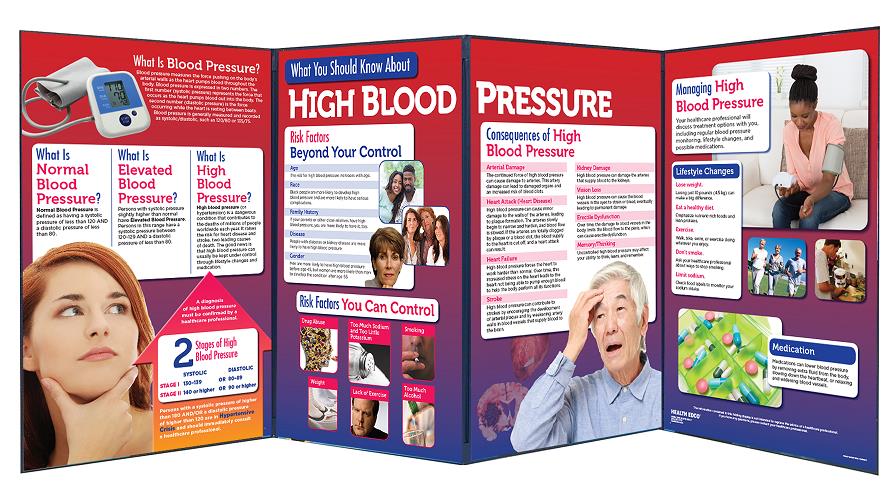
Heart Health Teaching Tools and Materials Health Edco

Infographics American College of Cardiology

Patient Information Leaflet Southern African Hypertension Society

Blood Pressure Measurement Poster Hypertension Canada

Product Categories TAG Partners
It Damages Blood Vessels And Leads To Serious Health Problems.
Research Shows That Lower Blood.
Get Medical Help Right Away If This Happens.
If Blood Pressure Gets Very High, It Can Be An Emergency.
Related Post: