
Brochure Paper Type
Brochure Paper Type - What is the best type of paper to use for brochures? Specialty paper finishes and premium effects. Discover the best paper types for brochure printing. Learn which paper weight to choose and whether a gloss, matte or uncoated paper is the best choice for you. You have paper stock and card stock — let’s differentiate the two. You can experiment with diverse sizes, but these look good, fold well, and fit easily into brochure racks, stack cleanly on stands, and can fit in briefcases, handbags, and so on. When you talk about brochure paper, you’re really talking about two things: Let’s explore the benefits and uses of each paper weight type. The paper on which your brochure is printed is very important as it speaks volumes once it is in the hands of your clients or customers. You can also use 80 lb or 100 lb cover. This article guides you on what paper is best to print your brochures on based on the paperweight, finish, size, and color. So, which is the best for your brochure? You can also use 80 lb or 100 lb cover. Discover specialty papers like pearlescent, colored and textured papers and how they might be used for your brochure You have paper stock and card stock — let’s differentiate the two. The most popular and useful paper sizes for brochures are 8.5 inches by 11 inches, 8.5 inches by 14 inches, and 11 inches by 17 inches. Typically, there are two types available. Let’s explore the benefits and uses of each paper weight type. We aim to explain the complex choices in brochure printing, guiding you through the factors that influence paper selection and how they affect the final product. The paper on which your brochure is printed is very important as it speaks volumes once it is in the hands of your clients or customers. We aim to explain the complex choices in brochure printing, guiding you through the factors that influence paper selection and how they affect the final product. Typically, there are two types available. Beyond basic paper types, you can elevate your print with special finishes: When you talk about brochure paper, you’re really talking about two things: So, which is the. So, which is the best for your brochure? Discover the art of choosing the perfect paper for brochure printing! Discover specialty papers like pearlescent, colored and textured papers and how they might be used for your brochure Everything you need to know to choose paper for your printed brochure. This article guides you on what paper is best to print. When you talk about brochure paper, you’re really talking about two things: Discover specialty papers like pearlescent, colored and textured papers and how they might be used for your brochure What is the best type of paper to use for brochures? Everything you need to know to choose paper for your printed brochure. So, which is the best for your. We aim to explain the complex choices in brochure printing, guiding you through the factors that influence paper selection and how they affect the final product. This article guides you on what paper is best to print your brochures on based on the paperweight, finish, size, and color. If you’re wondering about the best type of paper for brochures, the. Discover the best paper types for brochure printing. Specialty paper finishes and premium effects. Discover the art of choosing the perfect paper for brochure printing! Learn which paper weight to choose and whether a gloss, matte or uncoated paper is the best choice for you. You can also use 80 lb or 100 lb cover. What is the best type of paper to use for brochures? You have paper stock and card stock — let’s differentiate the two. So, which is the best for your brochure? Discover the best paper types for brochure printing. Specialty paper finishes and premium effects. If you’re wondering about the best type of paper for brochures, the easy answer is that most brochures will look and feel good when they’re printed on 100 lb silk text. Discover the art of choosing the perfect paper for brochure printing! What is the best type of paper to use for brochures? This article guides you on what paper. So, which is the best for your brochure? We aim to explain the complex choices in brochure printing, guiding you through the factors that influence paper selection and how they affect the final product. Specialty paper finishes and premium effects. The paper on which your brochure is printed is very important as it speaks volumes once it is in the. So, which is the best for your brochure? This article guides you on what paper is best to print your brochures on based on the paperweight, finish, size, and color. You have paper stock and card stock — let’s differentiate the two. The paper on which your brochure is printed is very important as it speaks volumes once it is. Discover specialty papers like pearlescent, colored and textured papers and how they might be used for your brochure Learn which paper weight to choose and whether a gloss, matte or uncoated paper is the best choice for you. Beyond basic paper types, you can elevate your print with special finishes: The lightest and most cost effective paper weight for brochures. You can also use 80 lb or 100 lb cover. When you talk about brochure paper, you’re really talking about two things: Beyond basic paper types, you can elevate your print with special finishes: So, which is the best for your brochure? Dive into our comprehensive guide, exploring paper types, finishes, and weights. You have paper stock and card stock — let’s differentiate the two. You can experiment with diverse sizes, but these look good, fold well, and fit easily into brochure racks, stack cleanly on stands, and can fit in briefcases, handbags, and so on. What is the best type of paper to use for brochures? This article guides you on what paper is best to print your brochures on based on the paperweight, finish, size, and color. The paper on which your brochure is printed is very important as it speaks volumes once it is in the hands of your clients or customers. Discover specialty papers like pearlescent, colored and textured papers and how they might be used for your brochure Let’s explore the benefits and uses of each paper weight type. The most popular and useful paper sizes for brochures are 8.5 inches by 11 inches, 8.5 inches by 14 inches, and 11 inches by 17 inches. Typically, there are two types available. Discover the art of choosing the perfect paper for brochure printing! We aim to explain the complex choices in brochure printing, guiding you through the factors that influence paper selection and how they affect the final product.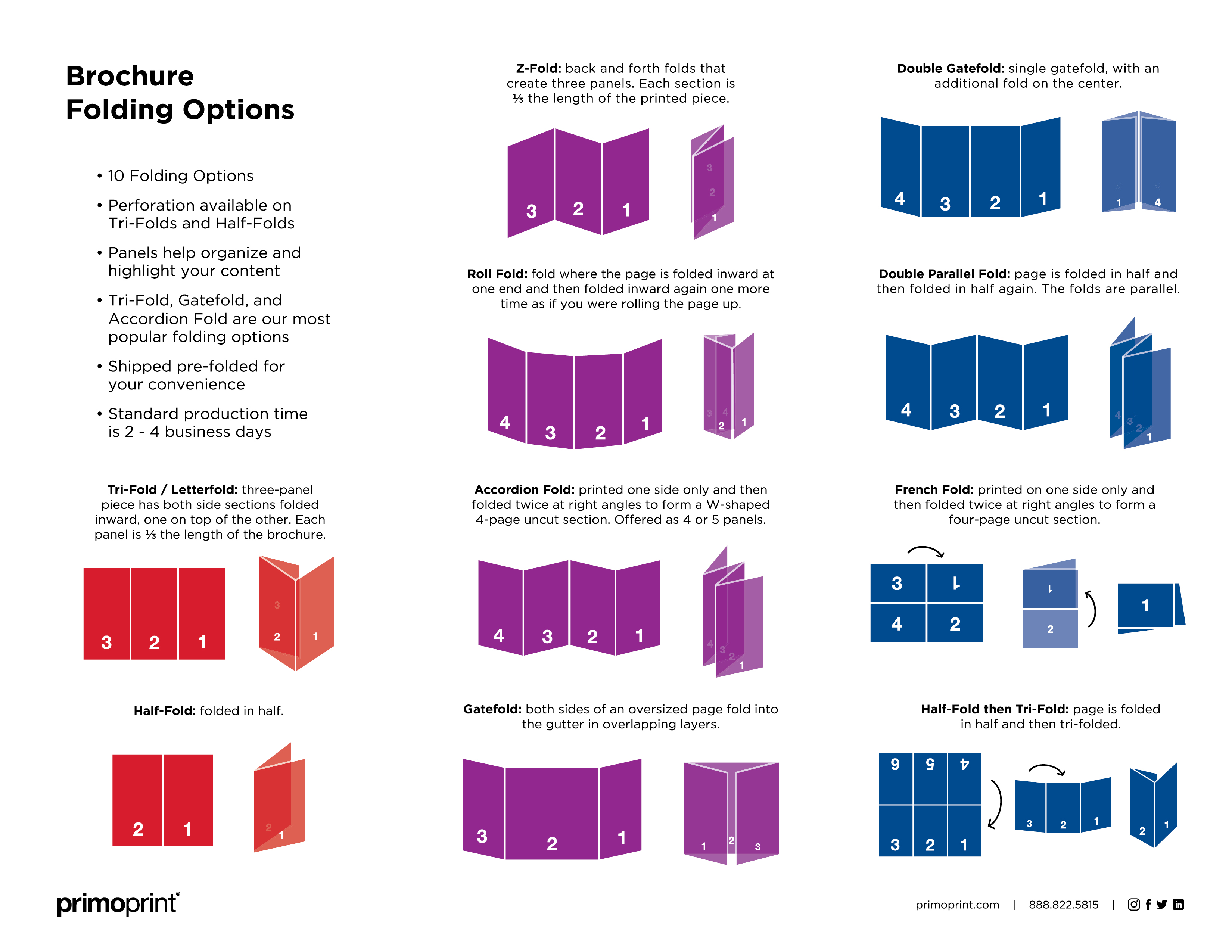
The Complete List of Brochure Folds Primoprint Blog

What Is The Best Type Of Paper For Brochure Printing
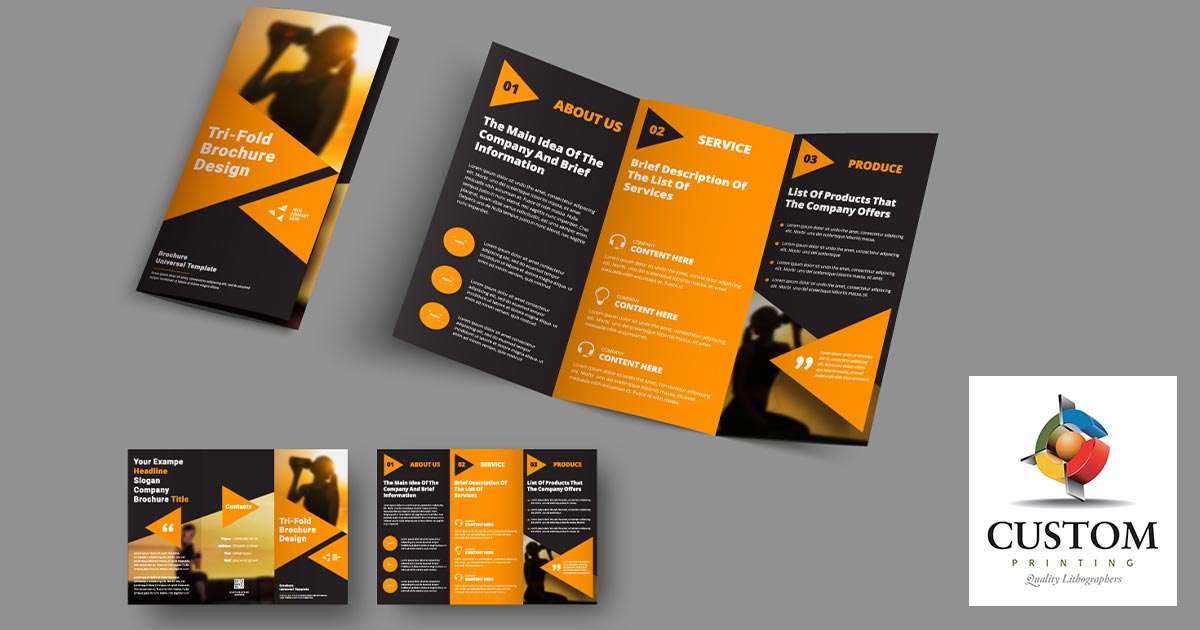
7 Popular Types Of Brochure Folds
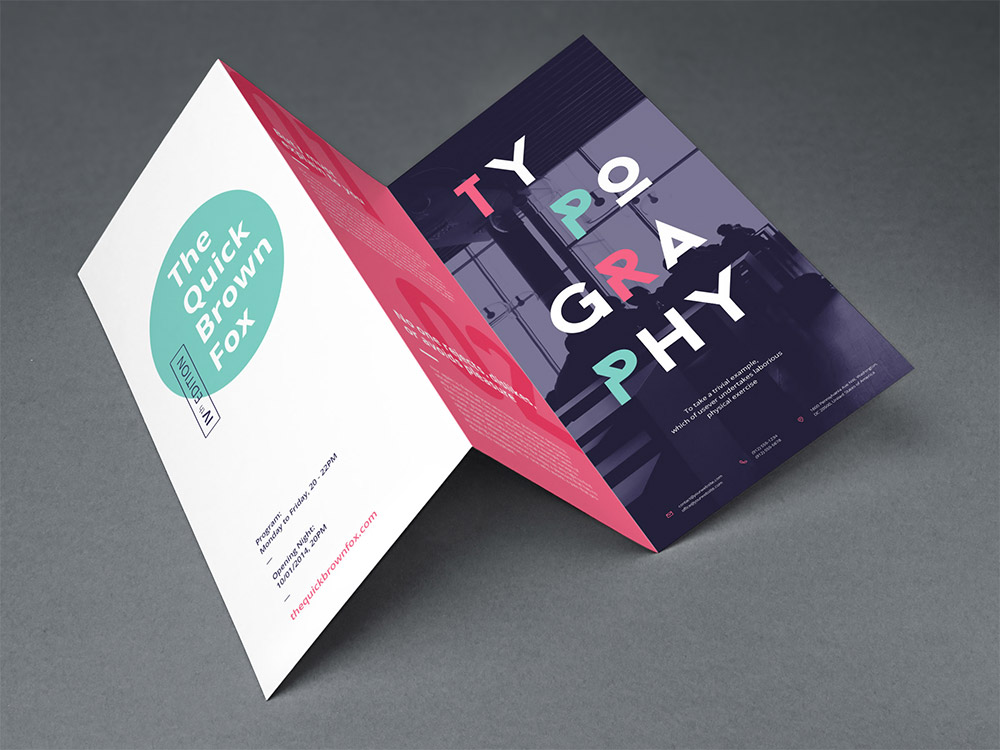
15 Free Brochure Templates For Designers To Have Naldz Graphics
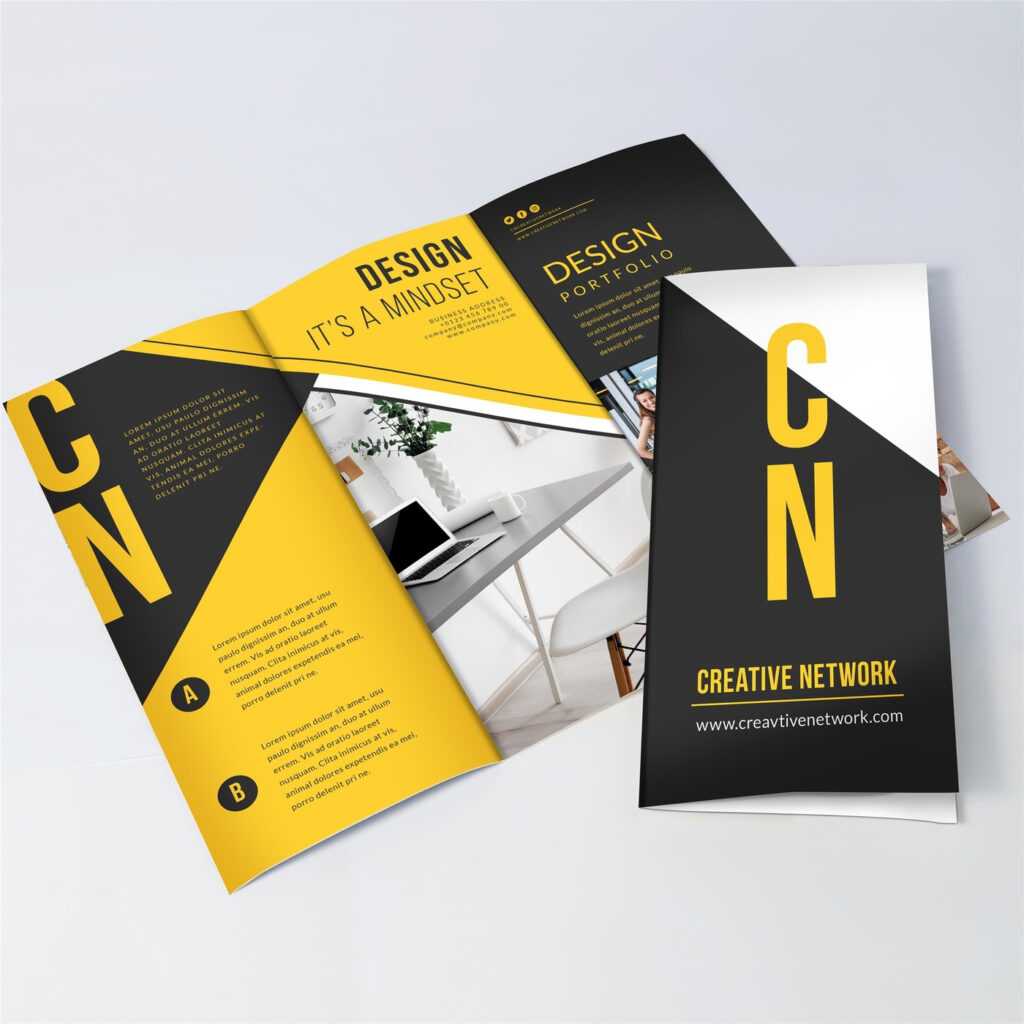
6 Panel Brochure Template Sample Professional Templates
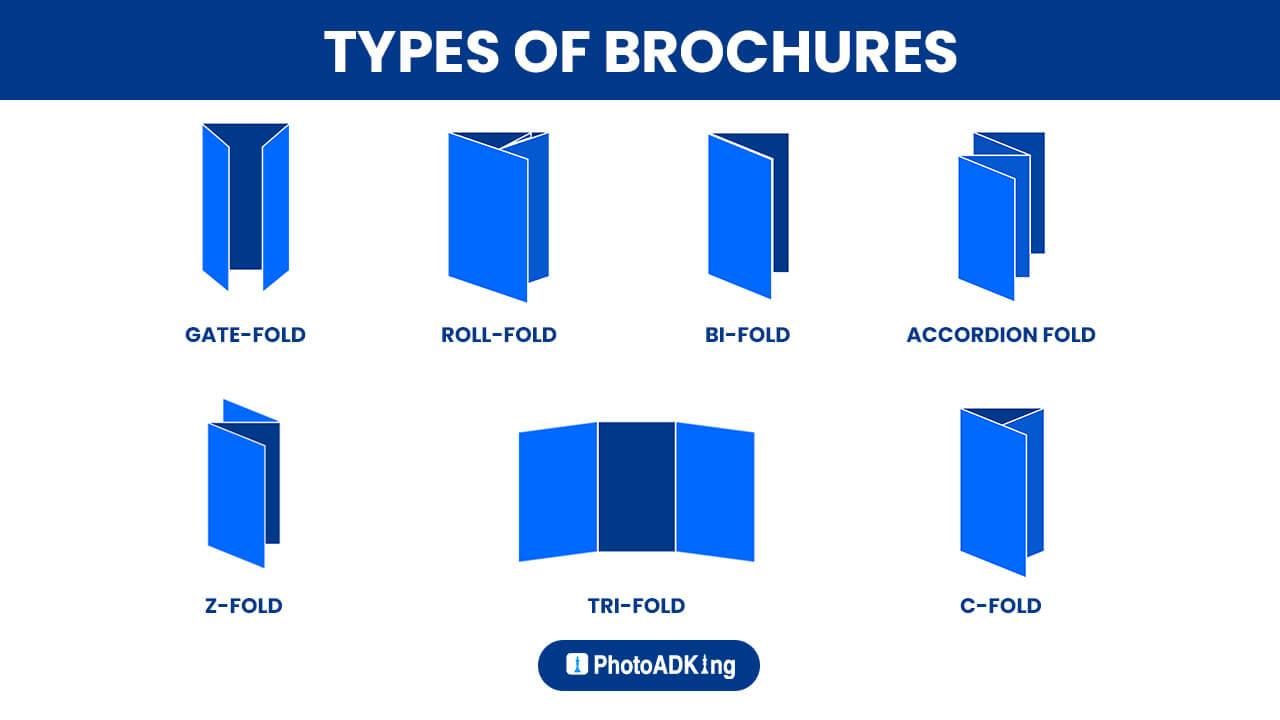
What Are the Different Types of Brochures?
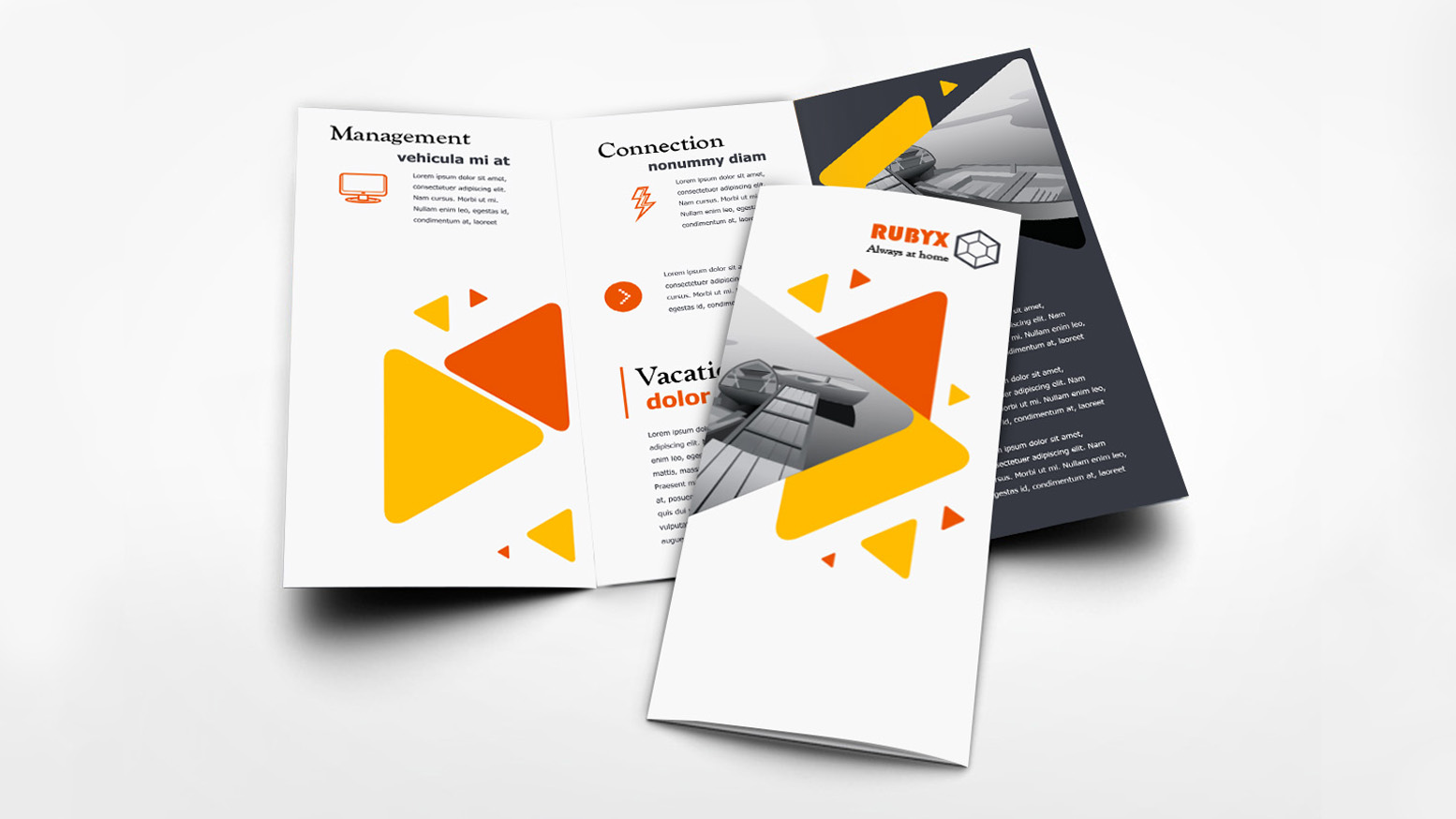
The Ultimate Brochure Paper Guide Confusing Terms Explained
What Type of Brochure Paper Should I Use? CMYK PH
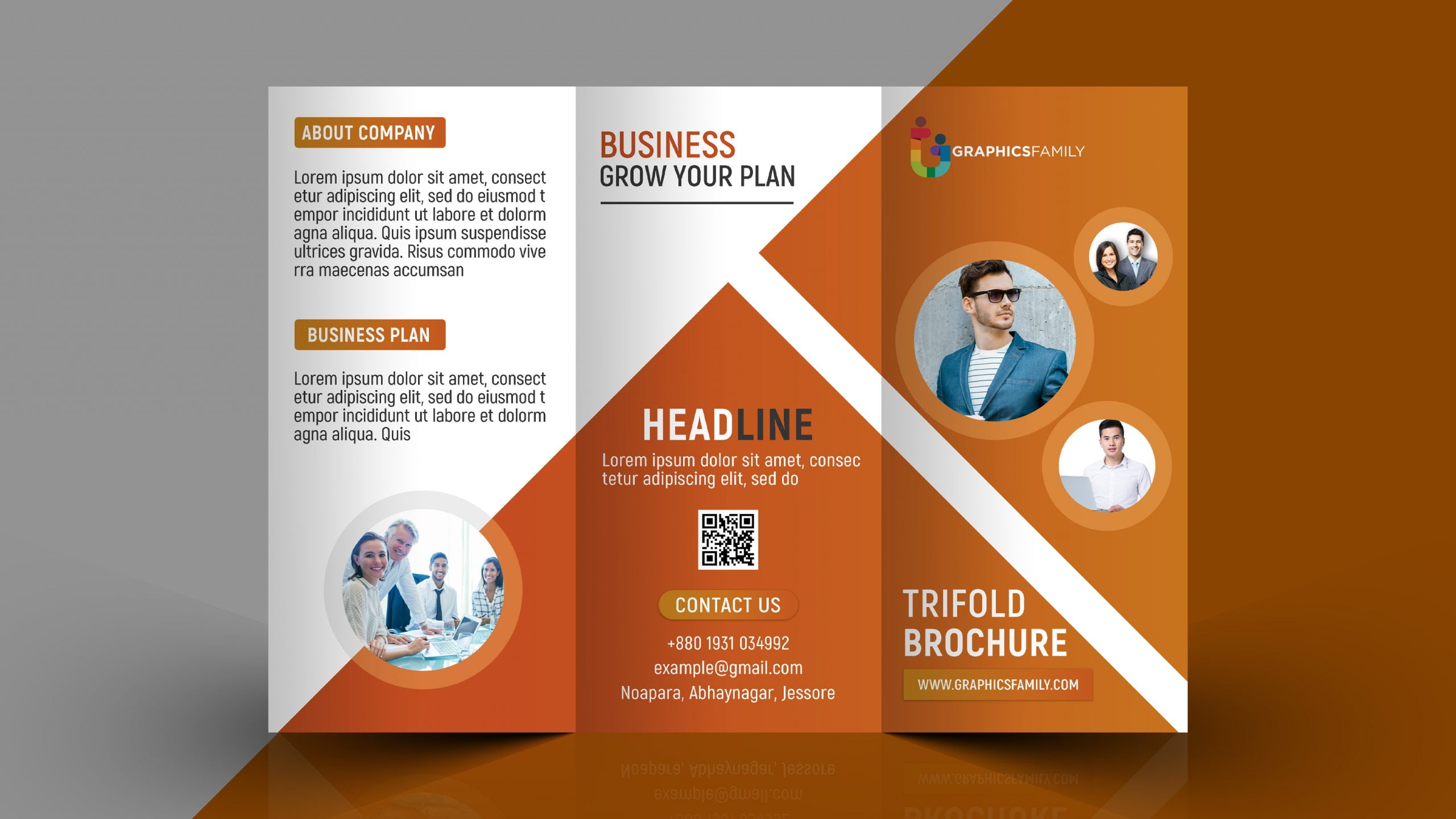
Professional Tri Fold Brochure Template GraphicsFamily
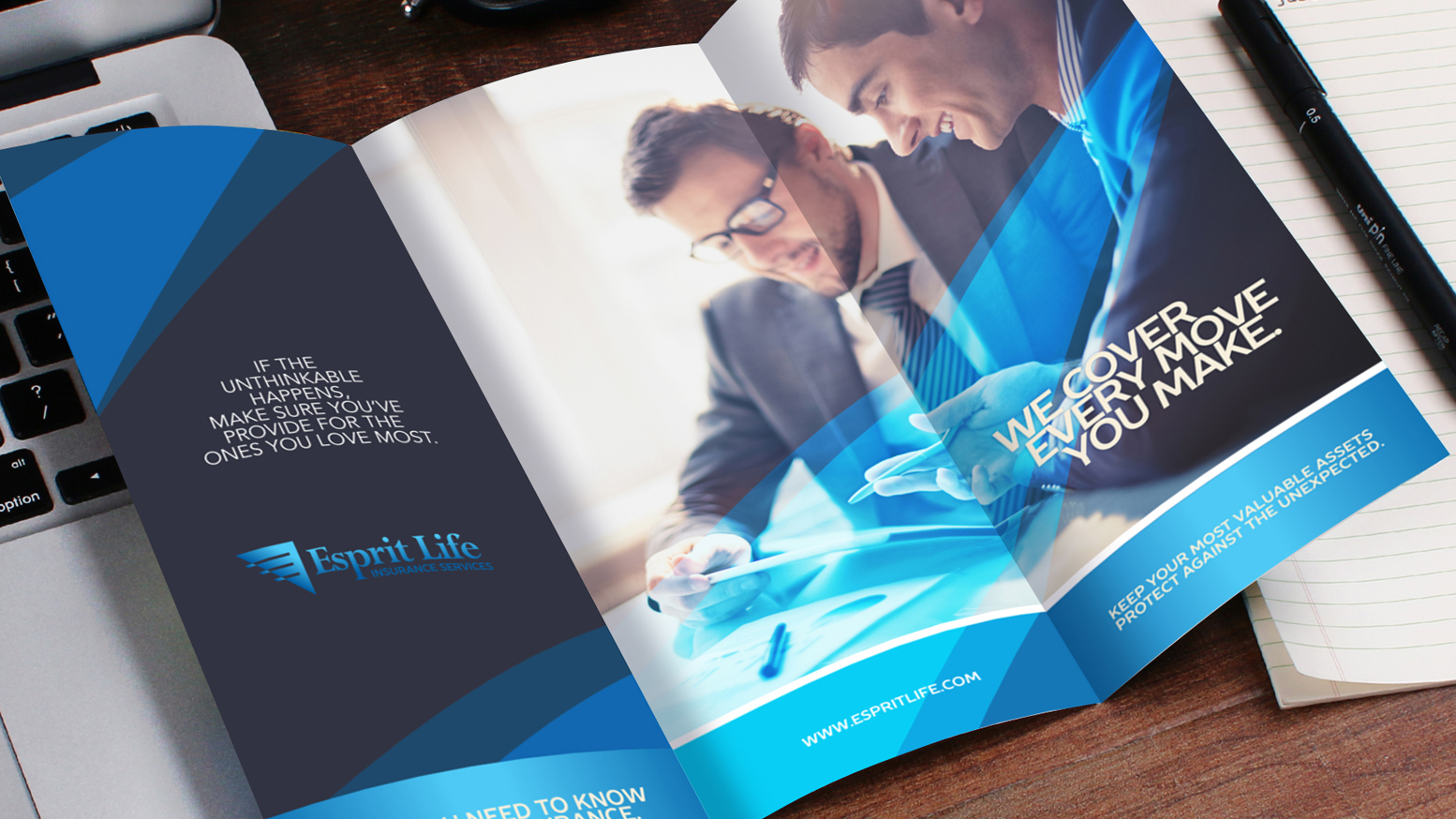
The Ultimate Brochure Paper Guide Confusing Terms Explained
If You’re Wondering About The Best Type Of Paper For Brochures, The Easy Answer Is That Most Brochures Will Look And Feel Good When They’re Printed On 100 Lb Silk Text.
The Lightest And Most Cost Effective Paper Weight For Brochures Is 70 Lb Text.
Everything You Need To Know To Choose Paper For Your Printed Brochure.
Specialty Paper Finishes And Premium Effects.
Related Post: